| |
|
|
Professional Mosquito Control Services
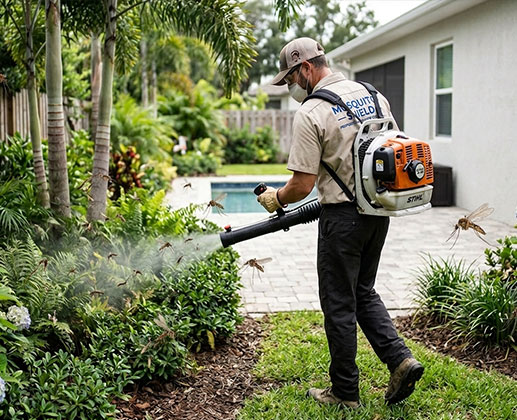
What is Professional Mosquito Control Services and Why it is Important
Professional mosquito control services involve the use of various methods to control and prevent mosquito populations from breeding and thriving in a specific area. These services are typically provided by pest control companies that have the expertise, equipment, and chemicals necessary to effectively and safely eliminate mosquitoes.
Mosquitoes are not only a nuisance but also a public health concern as they can transmit diseases such as malaria, dengue fever, and West Nile virus. Mosquitoes breed in standing water, which can be found in many areas around homes and businesses, such as gutters, bird baths, and old tires. Professional mosquito control services can help to eliminate these breeding areas and reduce the population of mosquitoes.
The methods used by professional mosquito control services can vary depending on the specific situation and location. Some common methods include:
- Professional mosquito control services involve the use of various methods to control and prevent mosquito populations from breeding and thriving in a specific area. These services are typically provided by pest control companies that have the expertise, equipment, and chemicals necessary to effectively and safely eliminate mosquitoes.
- Mosquitoes are not only a nuisance but also a public health concern as they can transmit diseases such as malaria, dengue fever, and West Nile virus. Mosquitoes breed in standing water, which can be found in many areas around homes and businesses, such as gutters, bird baths, and old tires. Professional mosquito control services can help to eliminate these breeding areas and reduce the population of mosquitoes.
- The methods used by professional mosquito control services can vary depending on the specific situation and location. Some common methods include:
Professional mosquito control services are important because they can help to reduce the number of mosquitoes in an area, thereby reducing the risk of disease transmission and improving overall quality of life. They can also provide ongoing monitoring and maintenance to ensure that mosquito populations stay under control.
The Most Common Diseases Spread By Mosqui-toes
Malaria
A serious and potentially fatal disease caused by a parasite that is transmitted to humans through the bite of an infected mosquito. Symptoms include fever, chills, headache, and muscle pain.
Dengue fever
A viral disease that is transmitted to humans through the bite of an infected mosquito. Symptoms include fever, headache, muscle and joint pain, and a rash.
West Nile virus
A viral disease that is transmitted to humans through the bite of an infected mosquito. Symptoms can range from mild (fever, headache, muscle weakness) to severe (neurological complications, death).
Zika virus
A viral disease that is transmitted to humans through the bite of an infected mosquito, as well as through sexual contact and from a pregnant woman to her fetus. Symptoms can be mild, but it can also lead to serious birth defects if a pregnant woman becomes infected.
Yellow fever
A viral disease that is transmitted to humans through the bite of an infected mosquito. Symptoms include fever, headache, muscle pain, and jaundice.
Chikungunya
A viral disease that is transmitted to humans through the bite of an infected mosquito. Symptoms include fever, headache, muscle pain, and joint pain.
Japanese encephalitis
A viral disease that is transmitted to humans through the bite of an infected mosquito. Symptoms can range from mild (fever, headache) to severe (encephalitis, death).
Lymphatic filariasis (elephantiasis)
A parasitic disease that is transmitted to humans through the bite of an infected mosquito. Symptoms include swelling of the limbs and genitals, as well as severe disfigurement.
It is important to take precautions to protect yourself from mosquitoes, such as using mosquito repellent and wearing long sleeves and pants when outdoors, especially during peak mosquito hours (dusk and dawn). It is also important to eliminate standing water around your property, which can serve as a breeding ground for mosquitoes.
Understanding the Risk Factors for Mosquito-Borne Illnesses
Travel to endemic areas
People who travel to areas where mosquito-borne illnesses are common are at a higher risk of contracting a disease.
Living in or near mosquito-prone areas
People who live in or near areas with high mosquito populations, such as wetlands, rain-forests, or swamps, are at a higher risk of contracting a disease.
Lack of access to proper prevention and control methods
People who live in areas where there is limited access to mosquito control services methods, such as pesticides and mosquito nets, are at a higher risk of contracting a disease.
Outdoor activities
People who spend a lot of time outdoors, especially during peak mosquito hours (dusk and dawn), are at a higher risk of being bitten by mosquitoes and contracting a disease.
Poor sanitation and hygiene
People who live in areas with poor sanitation and hygiene are at a higher risk of contracting a disease as these areas provide suitable breeding ground for mosquitoes.
Immune-compromised individuals
People who have a weakened immune system, such as those with HIV/AIDS or cancer, are at a higher risk of contracting a disease.
Pets
Pets can also be affected by mosquito-borne illnesses and can contract diseases like heartworm.
To reduce the risk of contracting a mosquito-borne illness, it is important to take precautions such as using mosquito repellent, wearing long sleeves and pants when outdoors, and eliminating standing water around your property. It is also important to be aware of the risk factors and take additional precautions if you are at a higher risk. If you suspect you have been infected, it is important to seek medical attention immediately.
Natural Ways to Reduce Mosquito Populations without Harmful Pesticides
- Eliminating standing water: Mosquitoes need standing water to breed, so eliminating sources of standing water around your property can help reduce their populations. This can include things like removing old tires, emptying bird baths, and cleaning gutters.
- Planting mosquito-repelling plants: Certain plants, such as citronella, lemongrass, and marigolds, naturally repel mosquitoes. Consider planting these types of plants around your property to create a barrier against mosquitoes.
- Using natural repellents: Instead of using harsh chemical repellents, try using natural alternatives such as essential oils or other plant-based repellents. You can also use natural mosquito traps, like a jar or bucket filled with water and a few drops of dish soap. The soap breaks down the surface tension of the water and the mosquitoes will fall in and drown.
- Using bats and dragonflies: Bats and dragonflies are natural predators of mosquitoes, so attracting these creatures to your property can help reduce the mosquito population. You can install bat houses or encourage dragonflies by creating a pond with a variety of aquatic plants.
- Garlic spray: Garlic contains allicin, which is a compound that repels mosquitoes and other pests. To make a garlic spray, blend a few cloves of garlic with water and strain the mixture. Spray the liquid on your plants, around your windows and doors, and any other areas where mosquitoes tend to congregate.
- Neem oil: Neem oil is a natural insecticide that can be used to repel mosquitoes and other pests. The oil is extracted from the seeds of the neem tree, and it contains compounds that are toxic to mosquitoes and other insects.
- Lemon eucalyptus oil: Lemon eucalyptus oil is a natural repellent that can be used to keep mosquitoes at bay. It contains citronella, which is a natural mosquito repellent. To use, mix a few drops of lemon eucalyptus oil with water and spray it around your property.
It is important to note that natural methods alone may not be able to completely eliminate mosquito populations, but they can certainly help reduce them and make your outdoor spaces more pleasant.
Understanding Different Types of Mosquito Control Services Methods to Suit Your Needs
There are various types of mosquito control services methods available, each with its own set of advantages and disadvantages. Understanding the different types of methods can help you choose the one that best suits your needs.
- Chemical control: This method involves the use of pesticides to kill adult mosquitoes and prevent larvae from developing into adults. This method can be effective in the short-term, but it may have negative impacts on the environment and non-target species.
- Biological control: This method involves using natural predators, such as fish, dragonflies, and nematodes, to control mosquito populations. This method is safe for the environment and non-target species but can take longer to see results.
- Physical control: This method involves removing or modifying areas where mosquitoes breed, such as by removing standing water and trimming overgrown vegetation. This method is safe for the environment and non-target species and can be effective in preventing mosquitoes from breeding in the first place.
- Integrated pest management (IPM): This method involves a combination of several control methods, such as chemical, biological, and physical control methods. This approach can be more effective in controlling mosquitoes over the long-term.
- Genetic Control: This method involves the release of genetically modified mosquitoes that can reduce the population of mosquitoes which in turn helps in controlling the population.
It's important to note that the most effective mosquito control services method will depend on the specific situation and location. Consult with a professional mosquito control services to determine the best course of action for your specific needs.
How to Choose a Reputable and Reliable Mosquito Control Services Provider?
Choosing a reputable and reliable mosquito control services provider is important to ensure that the job is done effectively and safely. Here are some tips to help you choose the right provider:
- Research: Research different providers in your area and read customer reviews to get an idea of their reputation and the quality of their services.
- Licensing and certification: Make sure the provider is licensed and certified by the appropriate state or local agency. This ensures that they have the necessary training and knowledge to perform the job safely and effectively.
- Experience: Look for a provider with experience in controlling mosquitoes in your specific area. Ask about their past projects and the methods they have used.
- Insurance: Make sure the provider has insurance to protect against any damages or accidents that may occur during the service.
- Communication: Choose a provider that is easy to communicate with and willing to answer any questions you may have.
- Cost: Compare the cost of different providers but do not compromise on quality for the cheaper cost.
- Integrated Pest Management (IPM) approach: Choose a provider who has an IPM approach which is a sustainable and environmentally friendly approach that uses a combination of methods.
- Follow-up: Choose a provider who provides follow-up services and regular monitoring to ensure that the mosquitoes stay under control.
By following these tips, you can help ensure that you choose a reputable and reliable mosquito control service provider that can effectively and safely control the mosquito population in your area.
Professional pest control services can provide a wide range of benefits in protecting your home and family from pests. Some of the key benefits include:
- Health and safety: Pests can carry diseases and pose a risk to the health and safety of your family. Professional pest control services can help eliminate pests and prevent them from returning, which can reduce the risk of disease transmission and other health hazards.
- Property damage: Pests can cause significant damage to your home and property. Termites, for example, can eat away at the structural integrity of your home, while rodents can gnaw through electrical wires and cause fires. Professional pest control services can help prevent this type of damage and save you money in the long run.
- Peace of mind: Pest infestations can be stressful and overwhelming to deal with. Professional pest control services can provide peace of mind by effectively eliminating pests and preventing them from returning.
- Expertise: Professional pest control technicians have the training, knowledge, and experience necessary to identify and eliminate pests quickly and efficiently. They have access to the latest tools and techniques to get the job done right.
- Cost-effective: In the long run, it is more cost-effective to hire a professional pest control service rather than trying to do it yourself. Professional pest control services can quickly identify and eliminate pests, preventing them from causing further damage, while DIY methods can be costly and time consuming.
- Environmentally friendly: Professional pest control companies use products and methods that are environmentally friendly and safe for humans.
- Ongoing protection: Professional pest control services often include ongoing monitoring and treatment to ensure that pests stay away for a long time.
By hiring professional pest control services, you can effectively protect your home and family from pests and the health and property hazards they pose, while enjoying peace of mind and cost-effective solution.
|
|
|
|
|