| |
|
|
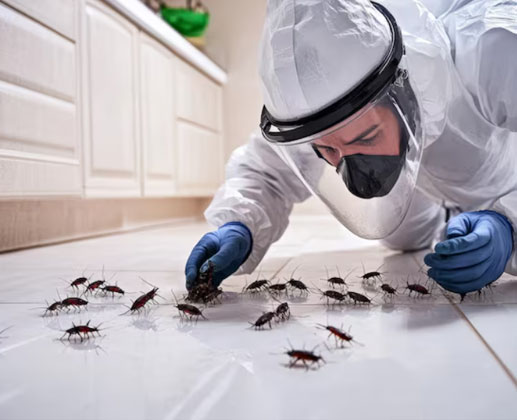
What are Ants Control Services and Why are They So Important?
Ants control services are professional services that provide solutions to eliminate and prevent ants infestations in homes and buildings. Ants are common pests that can be found in many areas, and they can cause problems such as structural damage, contamination of food, and the spread of diseases. Ants control services help to eliminate these problems and protect the health and property of those living or working in the affected area.
Ants control services typically use a combination of methods to control ants infestations. These methods can include the use of pesticides, baits, and exclusion techniques. Pesticides are chemical products that are used to kill ants, while baits are food or other attractants that are used to lure ants into a trap. Exclusion techniques involve sealing entry points, such as cracks and crevices, to prevent ants from entering a building.
The services of a professional ants control company may be required when the infestation is severe and persistent, or if the homeowner is unable to identify the ants species or the source of the infestation. They are trained and equipped with the knowledge, tools, and products necessary to effectively eliminate an ant infestation. They also have the ability to identify the ant species and implement the specific control method that targets that species, which can be important in preventing future infestations.
In summary, ants control services are important because ants can cause significant problems, such as structural damage, food contamination, and the spread of diseases. Professional ants control services
Understanding the Different Types of Ants & Their Habits
There are many different types of ants, each with its own unique habits and characteristics. Understanding these differences can be helpful in identifying and controlling ant infestations. Some of the most common types of ants found in homes and buildings include:
Carpenter ants
These large ants are black or red and black in color and can cause structural damage to wood in buildings. They typically nest in damp or rotting wood and are often found in bathrooms, kitchens, and around windows and doors.
Fire ants
These red or reddishbrown ants have a painful sting and can be a serious problem in outdoor areas. They typically nest in soil or under rocks, and are known to be aggressive towards humans and pets.
Odorous house ants
These small, darkcolored ants have a strong, unpleasant smell when crushed. They typically nest in walls and other structures and are attracted to sweet foods.
Pavement ants
These small, darkcolored ants are commonly found in and around pavement and sidewalks. They typically nest in soil under concrete or rocks and are attracted to a wide variety of foods.
Pharaoh ants
These small, yellow or lightbrown ants are known to be a major problem in hospitals and other buildings. They nest in warm, humid areas and are attracted to sweet and greasy foods.
Ants are social insects, they live in colonies and have a division of labor, with different ants performing different tasks. They also have a strong sense of smell and use pheromones to communicate with each other. This allows them to forage for food, protect the colony, and care for the young. Understanding these habits can help in identifying and controlling ant infestations.
It is important to note that it is best to consult with a professional pest control service to identify and control ant infestations, as different types of ants require different methods of control
How to Identify an Ants Infestation in Your Home
Ant infestations can be a frustrating and difficult problem to deal with, but early identification and treatment can help to minimize the damage and prevent future infestations. Here are some ways to identify an ant infestation in your home:
- Sightings of live ants: The most obvious sign of an ant infestation is the presence of live ants in your home. Look for ants crawling on countertops, in pantries, and around windows and doors.
- Ant trails: Ants leave behind chemical trails known as pheromones, which they use to communicate with each other and lead other ants to food sources. Look for small, dark lines on surfaces that indicate an ant trail.
- Ant nests: Look for small, dark mounds of soil or debris that may indicate an ant nest. Carpenter ants, for example, often nest in damp or rotting wood and can cause structural damage to your home.
- Droppings: Ants leave behind small, dark droppings that resemble coffee grounds. These droppings can be found near ant trails or nests, and can also be found in pantries and other food storage areas.
- Damaged food: Ants are attracted to food, so if you notice food that has been gnawed on or is otherwise damaged, it could be a sign of an ant infestation.
- Sound: Some species of ants make noise when they move around, specially when they move in large numbers. pay attention to that too, it could be a sign of an infestation.
If you suspect an ant infestation in your home, it is important to take action as soon as possible. A professional pest control service can help to identify the specific species of ants and implement the appropriate control methods to eliminate the infestation and prevent future infestations.
In addition to seeking professional help, you can also take steps to prevent ant infestations by keeping your home clean and free of crumbs and spills, sealing entry points, and storing food properly. By taking these steps, you can help to reduce the chances of an ant infestation in your home and protect your family and property from the damages caused by these pests.
Common Methods for Controlling & Eliminating Ants in the Home
Ant infestations can be a frustrating and difficult problem to deal with, but there are several methods that can be used to control and eliminate ants in the home. These methods include:
Baits
Baits are food or other attractants that are used to lure ants into a trap. Once the ants have consumed the bait, they will carry it back to the colony, where it will be shared with other ants. This method is effective in eliminating the entire colony, including the queen ant.
Pesticides
Pesticides are chemical products that are used to kill ants. They come in many forms, including sprays, dusts, and liquids. Pesticides can be used to target specific areas, such as entry points or nests, or can be applied over a larger area to create a barrier that will keep ants out.
Exclusion
Exclusion techniques involve sealing entry points, such as cracks and crevices, to prevent ants from entering a building. This can be done by using caulking, weatherstripping, or other materials to close off openings.
Natural remedies
Natural remedies such as diatomaceous earth, borax, and essential oils can be used to control and eliminate ants. Diatomaceous earth is a natural powder that can be spread around the perimeter of a building or in areas where ants are known to enter. Borax is a natural mineral that can be mixed with sugar to create a bait that will attract and kill ants. Essential oils, such as peppermint oil, can be used to create a barrier that will repel ants.
Professional Pest Management Services
If you have tried the above methods and the infestation persists, or if the infestation is severe, it's recommended to seek professional help. The professional pest management services will identify the specific species of ants and implement the appropriate control methods to eliminate the infestation and prevent future infestations.
If you have tried the above methods and the infestation persists, or if the infestation is severe, it's recommended to seek professional help. The professional pest management services will identify the specific species of ants and implement the appropriate control methods to eliminate the infestation and prevent future infestations.
The Benefits of Professional Ants Control Services & How They Can Help You
Professional ants control services can provide a range of benefits to help you eliminate an ant infestation and prevent it from recurring. Some of the key benefits include:
- Accurate identification: Ants can be classified into different groups based on their behavior, diet, and habitat. A professional ants control service will be able to accurately identify the type of ants you have and determine the most effective way to eliminate them.
- Tailored solutions: Professional ants control services will use specialized equipment and chemicals that are not available to the general public. They will also know how to use these products safely and effectively to eliminate the infestation, and tailor the solution to best fit your specific infestation.
- Long-term prevention: Ants can be persistent and difficult to eliminate completely. A professional ants control service will be able to identify the source of the infestation and take steps to prevent it from recurring.
- Protection of your property: Some species of ants can cause damage to wood, drywall, and other building materials. A professional ants control service will be able to prevent this damage from occurring.
- Time and money-saving: Attempting to control an ant infestation on your own can be timeconsuming and costly. Professional ants control services can save you both time and money by quickly and effectively eliminating the infestation and providing long-term prevention.
Choosing the Right Pest Control Service for Your Situation
Choosing the right pest control service for your situation can be a difficult task, but it is important to ensure that the infestation is eliminated effectively and efficiently. Here are some things to consider when choosing a pest control service:
- Type of pest: Make sure that the pest control service you choose has experience dealing with the specific type of pest you have.
- License and certifications: Make sure that the pest control service is licensed and certified by the appropriate state or national regulatory body.
- Reputation: Research the reputation of the pest control service by reading reviews and asking for references.
- Methods used: Find out what methods the pest control service uses to eliminate pests. Choose a service that uses environmentally friendly and safe methods.
- Guarantee: Find out if the pest control service offers a guarantee on their work, and what it covers.
- Communication: Evaluate the communication of the company, you want a company that is responsive and easy to communicate with.
- Cost: Compare prices between different pest control services, but remember that the cheapest option may not always be the best.
- Insurance: Make sure that the pest control service is insured in case of any damage or accidents.
- Experience: Look for a company that has been in business for a while and has a good track record.
- Professionalism: Make sure that the company is professional and punctual in their work.
- Services offered: Check what other services the company offers such as prevention, exclusion, and monitoring.
- Emergency services: Check if the company offers emergency services and available 24/7.
- Customized Plan: Look for a company that offers a customized plan to fit your specific needs.
- Follow-up: Look for a company that provides followup services to ensure that the infestation does not recur.
- Safety Measures: Make sure the company takes safety measures to protect your family, pets, and property during the treatment.
- Certificates of completion: Look for a company that provides certificates of completion after the job is done.
- Responsiveness: Look for a company that is responsive and readily available to help if you have any problems with pests after the treatment.
- Testimonies: Look for a company that provides client testimonials that prove their success rate.
- Sustainable Pest Management: Look for a company that uses sustainable pest management techniques that are safe for the environment and human health.
- Quality Control: Look for a company that has quality control measures in place to ensure that the work is done correctly and to your satisfaction.
|
|
|
|
|